If you are preparing a property for sale, staging is one of the highest-ROI things you can do. The National Association of Realtors reports that staged homes sell 73% faster than non-staged homes, and 85% of staged homes sell for 5–23% above asking price. The question is no longer whether to stage — it is which method makes financial sense.
Virtual Staging vs Traditional Staging vs Digital Staging — What Is the Difference?
Before comparing costs and results, it helps to define the three terms agents commonly confuse. Traditional staging means physically renting and placing furniture in a property. Virtual staging means digitally adding furniture to listing photos using AI or image editing software. Digital staging is simply another name for virtual staging — the terms are interchangeable. All three approaches have the same goal: helping buyers visualize themselves living in the space.
What Is Traditional Home Staging?
Traditional staging involves physically furnishing a property with rented furniture, art, bedding, and accessories before photography and open houses. A professional stager visits the property, selects inventory from their warehouse, and arranges the space. The furniture remains for the duration of the listing — typically 30–90 days.
Traditional Staging Costs (Worldwide)
- United States: $1,500–$5,000 initial, $500–$2,000/month rental — total $3,000–$8,000 over a 60-day listing
- United Kingdom: £1,000–£3,500 typical full staging package
- Canada: CA$2,000–CA$6,000 for full staging in major metros
- Australia: AU$3,000–AU$8,000 in Sydney/Melbourne markets
- Germany (Homestaging): €2,000–€5,000 typical full package
- France: €1,500–€4,000 home staging virtuel package
- Initial consultation fee on top: typically $150–$600 (or local equivalent)
What Is Virtual Staging?
Virtual staging uses AI or Photoshop to digitally add furniture, decor, and lighting to photos of empty or occupied rooms. The result is a realistic, fully furnished photo — created in minutes or hours, not days — at a fraction of the cost of physical staging. Modern AI-powered virtual staging tools like InstantRoom can generate photorealistic staged rooms in under 30 seconds.
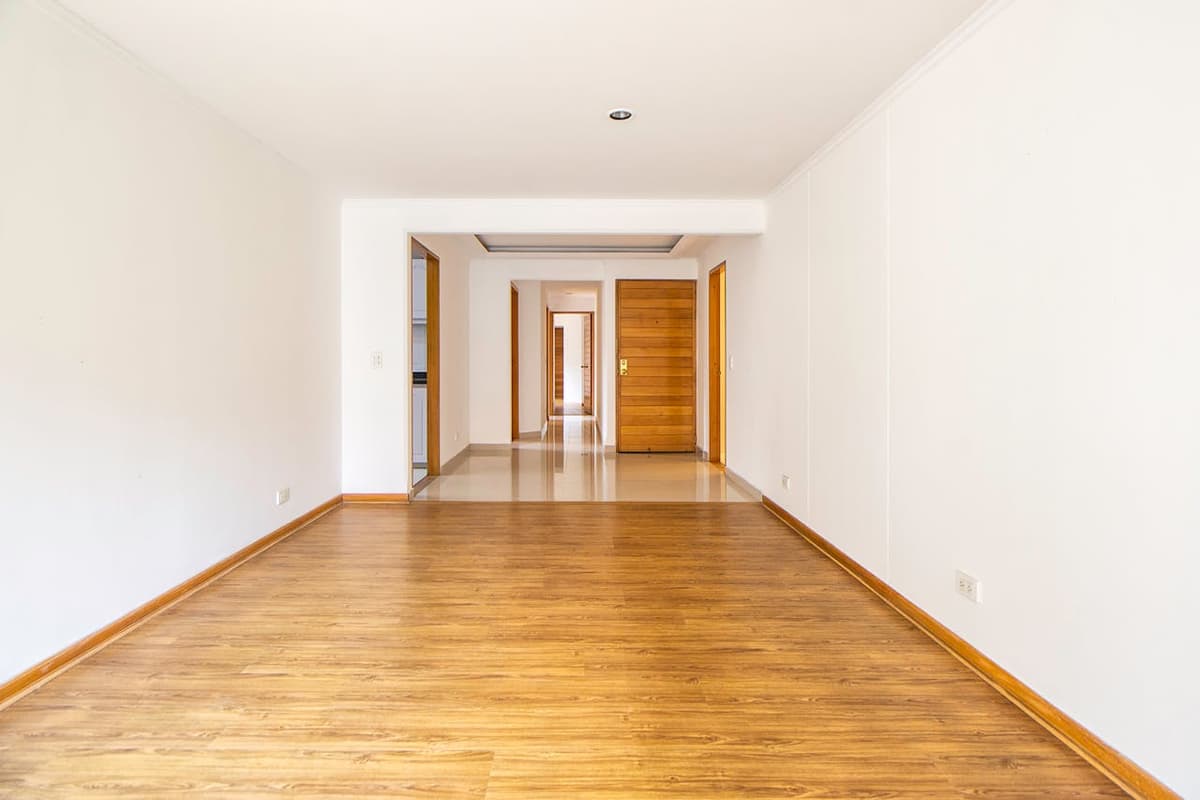 Before
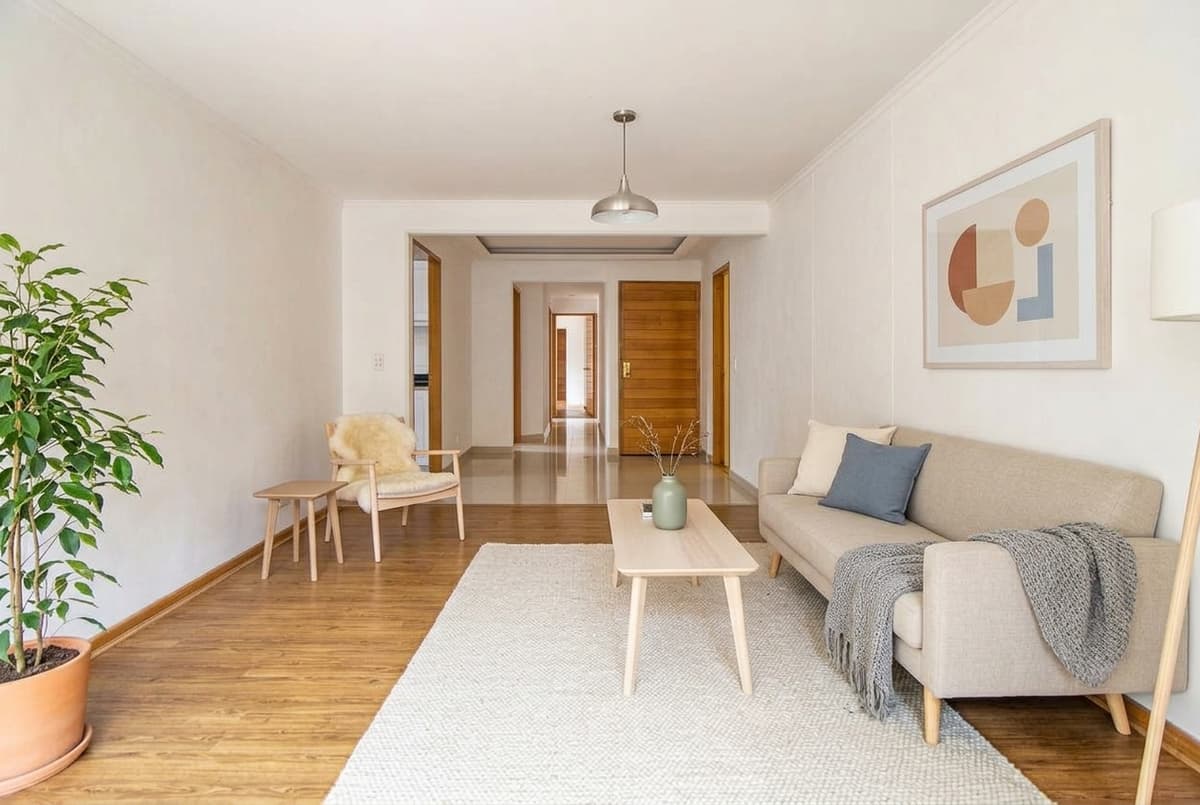 After
AfterVirtual Staging Costs
- Per-photo professional services: $30–$150 per photo
- AI-powered tools (self-service): $15–$30/month for 50–200 images
- Average cost to stage a 4-bedroom listing: $120–$600
- No monthly rental fees — images are permanent once created
Head-to-Head Comparison
| Factor | Traditional Staging | Virtual Staging |
|---|---|---|
| Cost (4 rooms) | $3,000–$8,000 | $120–$600 |
| Turnaround time | 3–7 days | 30 seconds – 24 hours |
| Style flexibility | Limited to stager's inventory | Unlimited — any style instantly |
| Occupied properties | Difficult / impossible | Works on any room |
| Risk | Damage, insurance needed | None |
| MLS compliance | Always compliant | Compliant with disclosure |
| Best for | Luxury / high-margin properties | Most residential listings |
Buyer Perception: Does Virtual Staging Work?
Research from the Real Estate Staging Association (RESA) shows that 81% of buyers find it easier to visualize a property as their future home when it is staged — whether physically or digitally. A 2024 study by Coldwell Banker found that digitally staged listings received 40% more online inquiries than identical unstaged listings, with no statistically significant difference in closing rate compared to physically staged properties.
Key finding: Virtual staging performs nearly as well as traditional staging for generating buyer inquiries and offers — at 10–20x lower cost. The ROI advantage is substantial for most residential properties.
Does Virtual Staging Actually Make Listings Better or Worse?
This is the most common question agents ask before trying virtual staging. The short answer: better — significantly. But only when done correctly. Done well, virtual staging helps buyers emotionally connect with a property. Done poorly (distorted room proportions, unrealistic furniture, or AI artifacts), it can actively harm a listing by setting expectations the property cannot meet.
The key to effective virtual staging is architectural fidelity. The room's proportions, windows, doors, and floor must remain exactly as photographed. Only furniture, decor, and wall color should change. Modern AI staging tools like InstantRoom enforce this automatically — the AI preserves the room's structure while adding photorealistic furniture. The result is a listing photo that looks like a professionally furnished room, not a Photoshop collage.
Results of Virtual Staging Compared to Regular Staging
How do the actual results compare? Here is what the data shows:
- Buyer inquiries: Virtually staged listings receive 40% more online inquiries than unstaged ones (Coldwell Banker, 2024). The difference versus physically staged listings is statistically insignificant.
- Time on market: NAR reports staged homes (virtual or physical) sell 73% faster than unstaged homes. Virtual staging achieves this result at 10–20x lower cost.
- Closing price: Staged homes sell for 5–23% above asking price. Both methods deliver similar premiums — the buyer's emotional response to a furnished space is what drives offers, regardless of whether the furniture is physical or digital.
- Buyer trust: When virtual staging is disclosed upfront and the room proportions are accurate, buyer trust is not negatively impacted. Problems arise only when staging misrepresents the space — which is why architectural fidelity matters.
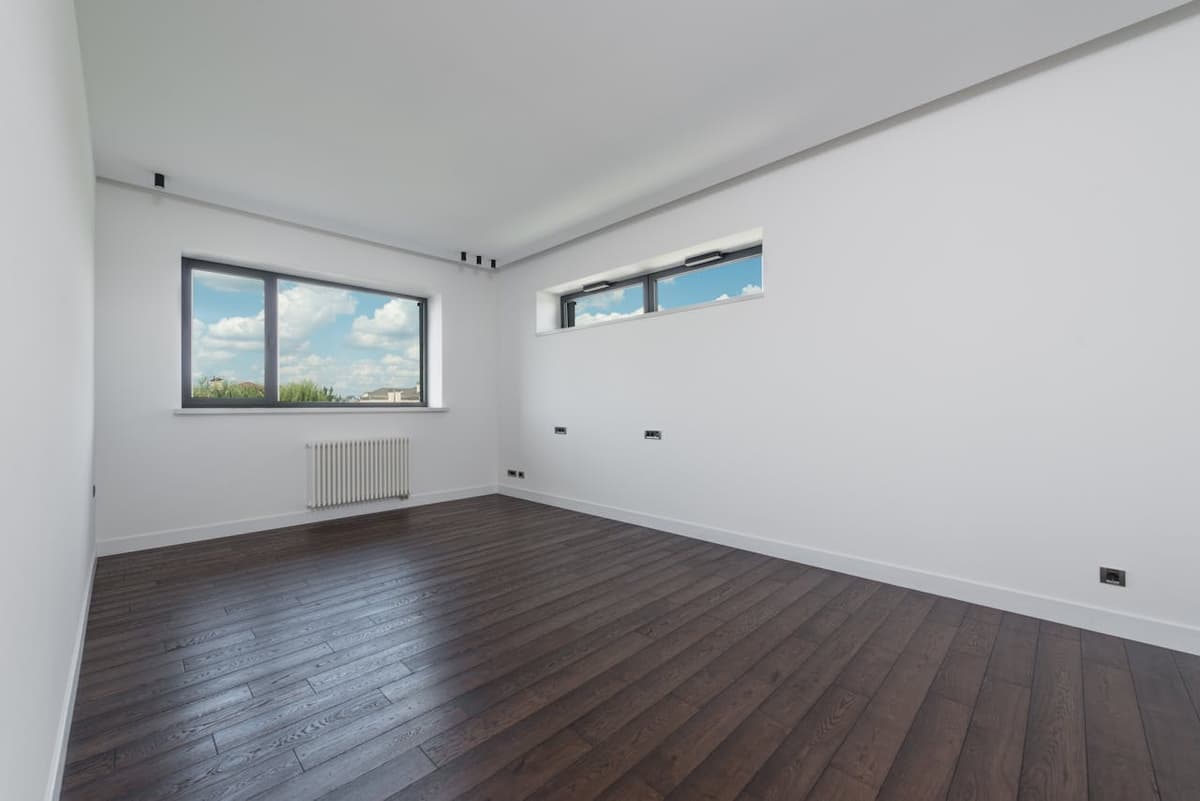 Before
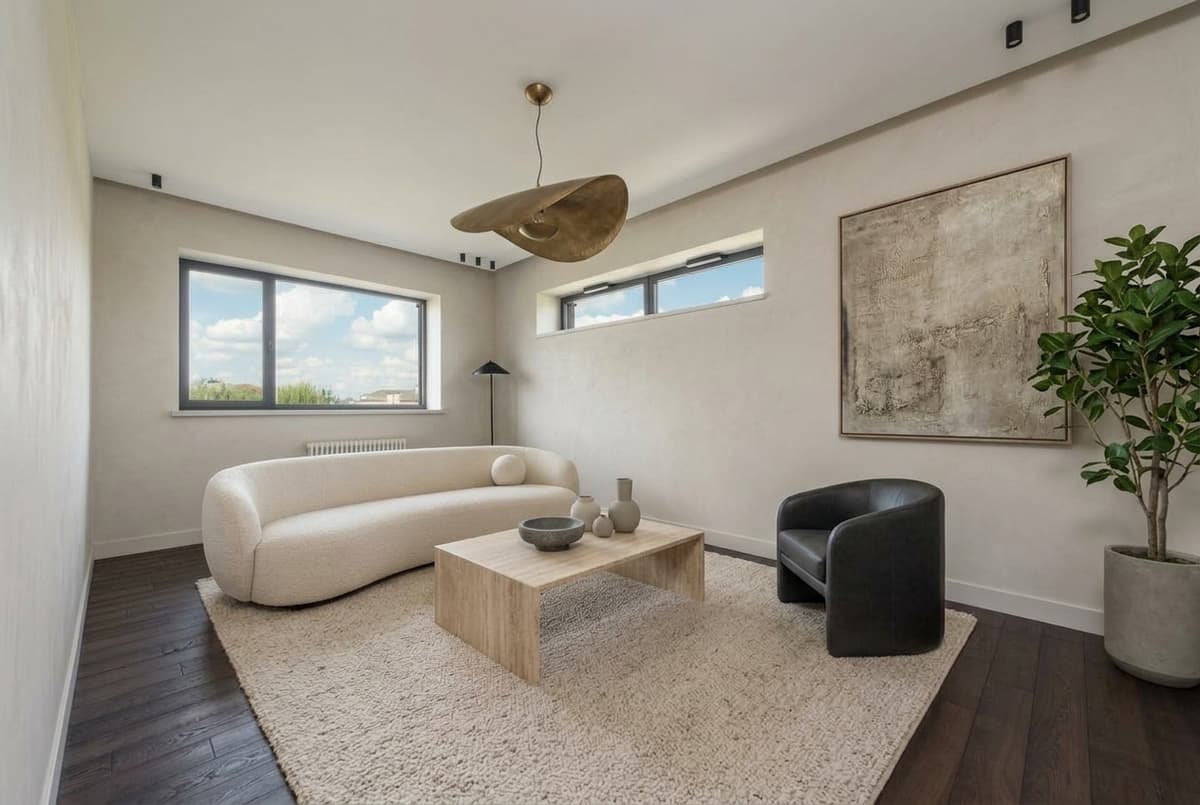 After
AfterMLS Rules and Disclosure Requirements
Most MLS boards now permit virtual staging photos in listings, provided the listing agent discloses that the images are digitally enhanced. Common disclosure language: "Photos have been digitally staged for illustrative purposes. Actual property is unfurnished." Check your local MLS guidelines, but virtual staging is widely accepted across the US, UK, Canada, and Australia as of 2025.
When to Choose Traditional Staging
- Luxury properties ($2M+) where physical staging signals seriousness and quality
- Markets with high foot traffic where buyers view properties in person before seeing photos
- Sellers who prefer buyers to experience a fully staged home at open houses
- Cases where the property has structural issues that physical staging can help downplay
When to Choose Virtual Staging
- Any listing where photos are the primary first impression (which is most listings on Zillow, Realtor.com, Rightmove, ImmoScout24, Realtor.ca, and Domain)
- Occupied properties — you cannot physically stage a home someone is living in
- Investment properties and rentals where margins are tighter
- Airbnb and short-term rental hosts refreshing listing photos seasonally — physical staging is impractical when the unit is actively booked
- Property flippers and developers showing post-renovation potential before construction is finished
- Agents managing high volumes of listings who need fast turnaround
- New builds and developer units that need multiple style variations
How AI Virtual Staging Has Changed by 2026
Early virtual staging tools (2019–2022) were visibly artificial — furniture proportions were off, lighting did not match, and shadows were inconsistent. By 2026, state-of-the-art generative AI like the model behind InstantRoom produces photorealistic results that are difficult to distinguish from physical staging at standard listing photo resolution. The technology has moved from "acceptable" to "indistinguishable" for most use cases. The remaining differentiators between tools are now structural fidelity (does the AI alter windows or walls?), transformation depth (can it declutter and empty rooms, not just restyle?), and price.
Is Virtual Staging Worth It?
For the vast majority of residential listings — particularly those under $1.5M (or local equivalent) — virtual staging delivers equivalent buyer engagement at roughly 10–20x lower cost than physical staging. The math gets even more favourable for agents staging multiple listings per month, hosts refreshing several rentals, or flippers visualising properties before renovation. Traditional staging still has a defensible role for luxury listings and properties with heavy in-person viewing. But for everyone else — agents, hosts, flippers, and small designers competing on listing photos — virtual staging is now the rational default.
The Verdict
Virtual staging in 2026 is no longer a compromise. For online-first listing channels, it produces equivalent buyer-engagement outcomes at a fraction of the cost — and unlike physical staging, it works on occupied homes, pre-renovation properties, and active short-term rentals. Choose physical staging when the property warrants the spend. Choose virtual staging for everything else.